

What Are Spotted Lanternflies? Your Guide to Spotted Lanternflies in PA
Spotted lanternflies are invasive insects that have been spreading across Pennsylvania, threatening trees, plants, and crops. These brightly colored bugs may look harmless, but they can cause serious damage if left unchecked. In this guide, we’ll explain what spotted lanternflies are, how to spot them, and what you can do to protect your property.
What Are Spotted Lanternflies?
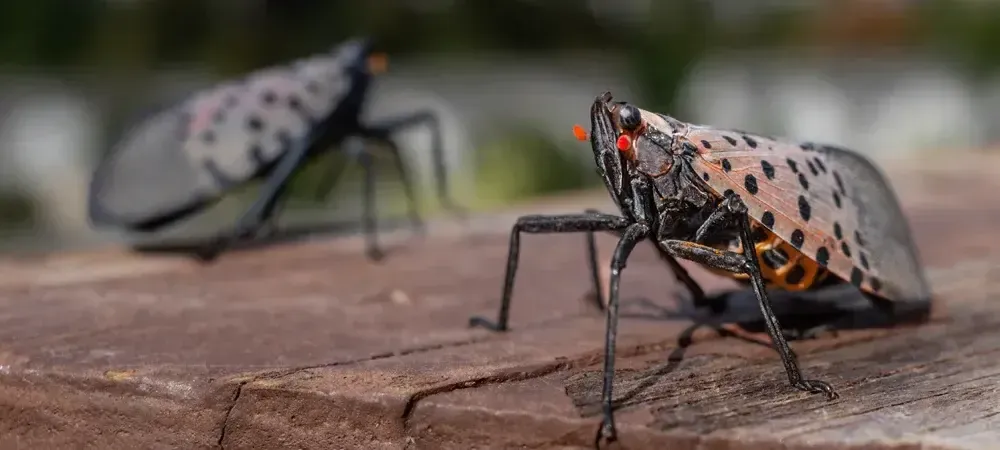
Spotted lanternflies (Lycorma delicatula) are invasive planthoppers originally from Asia that have become a serious concern in Pennsylvania. Here’s how to identify them:
- Size: Adults are about 1 inch long and ½ inch wide.
- Color: Forewings are light brown with black spots; hindwings are red with black spots and a white band.
- Body: Grayish-black body with a yellow underside.
- Egg masses: Look like mud-colored, waxy patches on tree bark, rocks, or outdoor furniture.
- Nymphs: Black with white spots when young, turning red with black markings as they grow.
Recognizing these features early can help you take action before they cause serious damage.
How Did Spotted Lanternflies Get to the US?
Spotted lanternflies are native to China, India, and Vietnam, but they first appeared in the United States in Pennsylvania around 2014. They likely arrived through imported landscaping materials, such as stone or wood, that carried egg masses. Once in Pennsylvania, these invasive insects spread quickly, hitching rides on vehicles, outdoor equipment, and even firewood. Their ability to reproduce rapidly and feed on a wide range of plants has allowed them to establish and expand across the region.
What Do Spotted Lanternflies Eat?
Spotted lanternflies feed on the sap of many trees and plants, which can weaken them over time and make them more susceptible to disease. They are particularly drawn to certain species but are not very picky. Common plants and trees they feed on include:
- Tree of Heaven (Ailanthus altissima) – their preferred host.
- Maple trees
- Walnut trees
- Fruit trees – including apples, peaches, and grapes.
- Ornamental trees and shrubs
- Various garden plants and vines
Key Takeaways
Spotted lanternflies are invasive insects from Asia that have become a major concern in Pennsylvania. They can be identified by their size, color, and egg masses, and they feed on the sap of many plants, especially Tree of Heaven, fruit trees, and ornamental plants. They likely arrived in the U.S. through imported materials and have spread quickly, so early identification and monitoring are essential to protect your trees and garden.
Why Are Spotted Lanternflies Bad?
Spotted lanternflies are harmful because they feed on the sap of trees and plants, weakening them and making them more susceptible to disease and other pests. They can damage fruit crops, ornamental plants, and hardwood trees, which can lead to economic losses for farmers and property owners. In addition, their feeding produces a sticky substance called honeydew that attracts mold and other insects, creating a messy and unhealthy environment. While they don’t bite humans, their presence can quickly become a nuisance and a threat to the health of plants and trees in your yard or neighborhood.
Do Spotted Lanternflies Bite?
No, spotted lanternflies do not bite humans or pets. They feed exclusively on plant sap using their specialized mouthparts. While they can be a major nuisance because of the damage they cause to trees and plants, you don’t need to worry about them stinging or biting.
Why Are They a Problem for Pennsylvania Specifically?
Spotted lanternflies are a big concern in Pennsylvania because the state has the right mix of climate, host trees, and agricultural crops for them to thrive. Tree of Heaven, their preferred host, is common throughout Pennsylvania, and the region’s orchards, vineyards, and hardwood forests provide ample food sources. Their rapid reproduction and mobility make it easy for populations to spread, threatening both residential areas and local agriculture. This combination of favorable conditions and vulnerable plants makes Pennsylvania particularly susceptible to infestations and the damage they cause.
Key Takeaways
Spotted lanternflies are harmful because they feed on tree and plant sap, weakening them and producing sticky honeydew that attracts mold and other pests. They don’t bite humans or pets, but they can be a major nuisance and threaten both residential and agricultural areas. Pennsylvania is particularly at risk due to its climate, abundant host trees like Tree of Heaven, and productive orchards and vineyards, making early identification and control essential.
What Kills Spotted Lanternflies?
You can kill spotted lanternfly populations using several methods:
- Physical removal: Swat or crush adult insects and scrape off egg masses from trees, rocks, and outdoor surfaces.
- Insecticides: Apply products labeled for spotted lanternflies to infested trees and plants, following all safety instructions.
- Natural predators: Birds and certain beneficial insects may eat spotted lanternflies, but usually aren’t enough to fully control infestations.
- Integrated approach: Combining removal, chemical treatments, and monitoring is the most effective way to protect your trees, crops, and garden.
Are You Supposed to Squash Spotted Lanternflies?
Yes, it’s safe and effective to squash adult spotted lanternflies when you see them. Crushing them helps reduce their numbers and prevents them from laying more eggs. You can also scrape off their egg masses from trees, rocks, and outdoor surfaces to stop the next generation. Just be sure to dispose of the insects and eggs properly to avoid spreading them to other areas.
Professional Spotted Lanternfly Exterminators
As the spotted lanternfly continues to spread in Pennsylvania, it is crucial for individuals, communities, and the authorities to take action. By identifying and reporting sightings, implementing control measures, and raising awareness, we can combat the invasive species effectively. If you've encountered an infestation on your property, turn to the experts at Witt Pest Management for spotted lanternfly control services. Stay vigilant and contribute to the collective effort in protecting Pennsylvania's agriculture and natural ecosystems from the threat posed by the Spotted Lanternfly.
Key Takeaways
Spotted lanternflies can be managed through physical removal, targeted insecticides, and monitoring, though natural predators alone aren’t enough to control infestations. Squashing adults and scraping egg masses helps reduce their numbers and prevent reproduction. For severe or persistent infestations, professional exterminators can provide safe and effective control, helping protect your property and Pennsylvania’s trees, crops, and ecosystems from further damage.