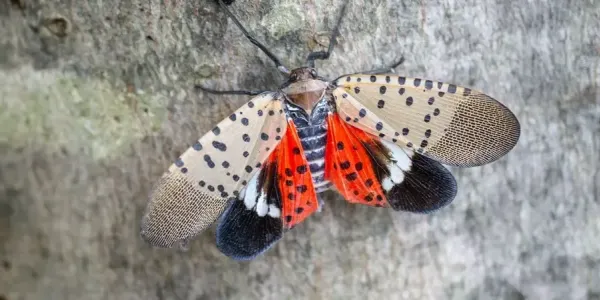

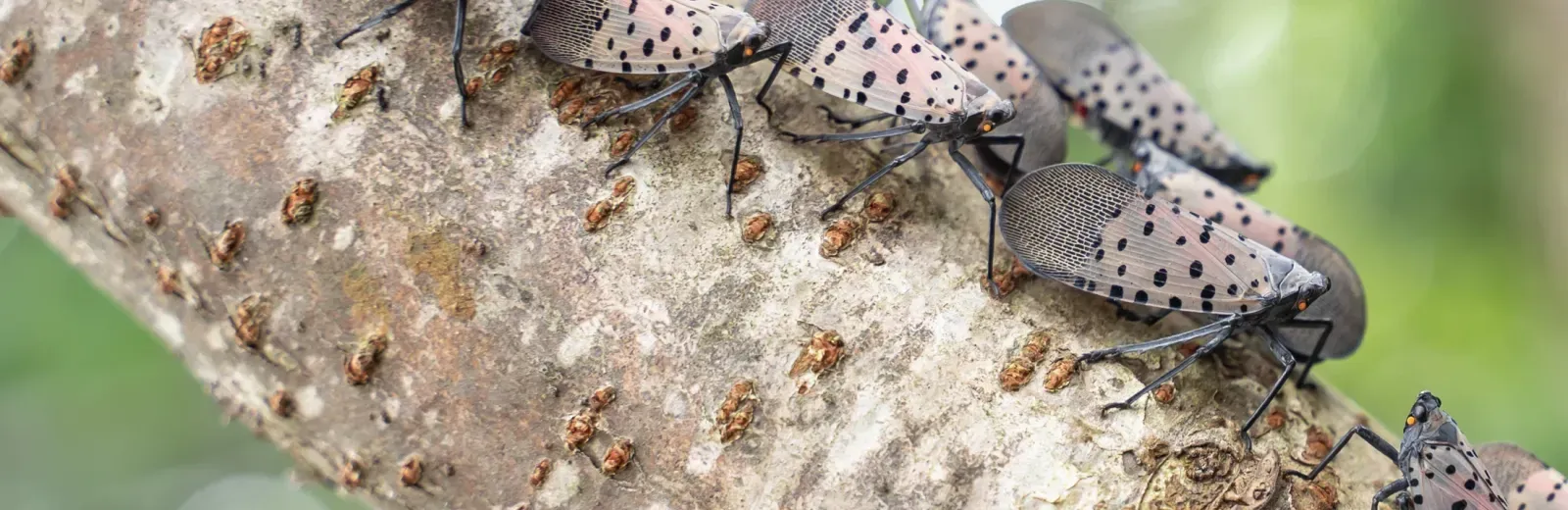
Image
spotted lantern fly
The Spotted Lanternfly Invasion Ends Here
Icon
Image
Pay less, get more icon
GET MORE. PAY LESS.
Icon
Image
round the clock
ROUND-THE-CLOCK SUPPORT

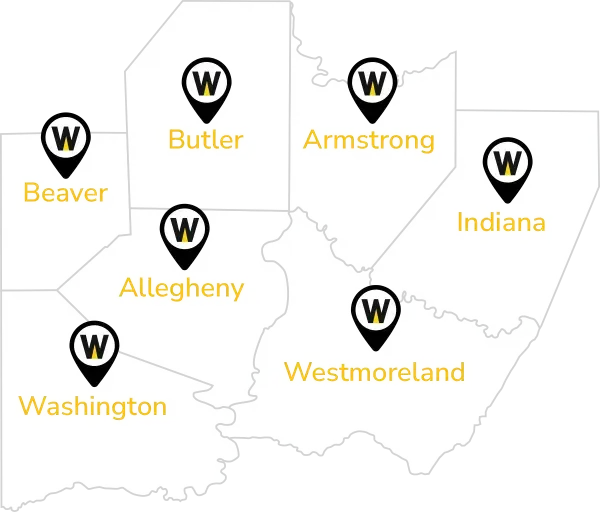
Spotted Lanternfly Exterminator in Pittsburgh and Surrounding Areas

At Witt Pest Management, we employ proven and environmentally responsible methods to treat and help control Spotted Lanternflies. Our unique approach to Spotted Lanternfly pest control focuses on effectively reducing their populations while minimizing the impact on both beneficial insects and the surrounding ecosystem.

Why Spotted Lanternfly Control Matters in Pittsburgh

Spotted Lanternflies may look harmless, but they cause serious damage to trees, plants, and the overall environment. These invasive pests feed on sap, leaving trees weak and vulnerable to disease, and they excrete a sticky substance that attracts mold and other pests. If left untreated, infestations can spread quickly throughout Pittsburgh, impacting residential yards, parks, and even agricultural industries. Here’s why acting fast and contacting Witt Pest Management is critical:

  • Protect Local Trees and Plants. Prevent damage to maples, oaks, and other hardwoods common in Pittsburgh.
  • Stop Infestation Spread. Control these pests before they multiply and invade neighboring properties.
  • Avoid Expensive Damage. Save on costly tree removal and landscaping repairs.
  • Preserve Property Value. Maintain a healthy, attractive outdoor space.
  • Support the Environment. Reduce the impact on wildlife and Pittsburgh’s natural ecosystem.
Image
spotted lantern fly on a leaf

Get a Free Estimate

Name
Contact Info
What is the best way to contact you?
Address
By submitting this form, you are agreeing to the privacy policy.
Validation
Submission
Get Started Today! Call us at 412-681-1900 or

Our Step-by-Step Approach to Spotted Lanternfly Control

Our Spotted Lanternfly treatment in Pittsburgh is designed to deliver fast, effective relief while protecting your property from future infestations. After a detailed inspection to assess the severity of the problem, our technicians apply targeted treatments using professional-grade products that eliminate lanternflies quickly and help prevent them from coming back. This process focuses on areas where these pests gather most, ensuring maximum impact with minimal disruption to your home.

Here’s what our service includes:

  • Comprehensive property inspection. Our team identifies infestation hotspots and determines the best treatment strategy for your home.
  • Targeted product application. Professional-grade treatments are applied to high-risk areas like trees, shrubs, patios, and building surfaces.
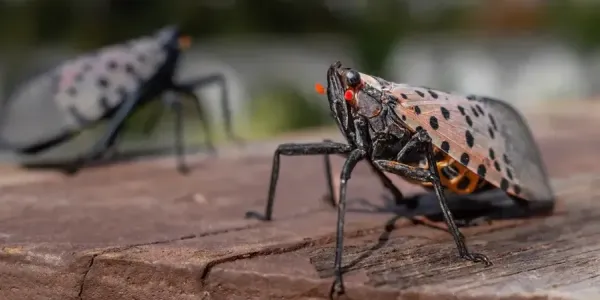
  • Knockdown & residual protection. A specialized formula with a knockdown agent, growth regulator, and controlled-release technology delivers fast results and ongoing protection.
  • Eco-responsible approach. Every treatment is designed to reduce Spotted Lanternflies while minimizing impact on beneficial insects and the surrounding environment.

Fast Response When You Need It Most

Spotted Lanternflies spread quickly, so timing is everything. The longer they’re on your property, the more damage they can cause to your trees, plants, and outdoor spaces. That’s why we make fast service a priority. Our team responds quickly, inspects your property, and begins treatment right away, helping you stop the infestation before it gets out of control.

Frequently Asked Questions
Do you treat trees?

We are limited to treating ornamental trees, shrubbery, and some trees within close proximity to the house and below 6 feet. Please contact an arbor care or landscaping company for systemic treatment information and other lawn and turf solutions that our company does not currently offer at this time.

What kind of damage can rodents cause?

Rodents, especially rats and mice, have a strong instinct to chew. They can gnaw through various materials to gain access to shelter, including:

  • Wood: Rodents can chew on wooden beams, walls, and floors, weakening the structural integrity of your home.
  • Drywall: Mice and rats can chew through drywall, causing holes and exposing insulation.
  • Insulation: Rodents often chew through insulation, leaving areas exposed and reducing your home's energy efficiency.
  • Pipes and Wires: Rodents frequently chew on electrical wires, which can cause short circuits, electrical fires, or power outages. They can also damage water pipes and gas lines, leading to leaks and increased risk of water damage or gas hazards.

Rodents can damage personal items by chewing or nesting in them, such as furniture, clothing, books, and electronics.

Should I aerate before seeding my lawn?

Yes, aerating before seeding is one of the best ways to ensure successful seed germination. Aeration loosens compacted soil and creates small holes or “pockets” that give new grass seed direct contact with the soil—this improves seed-to-soil contact, which is essential for healthy growth. It also allows water, air, and nutrients to reach the root zone more easily, helping both existing and new grass develop strong roots. When paired together, aeration and seeding work hand-in-hand to create a thicker, healthier, and more resilient lawn.

What kind of fertilizer do you use?

We use professional-grade, slow-release fertilizers tailored to the season and your lawn’s specific needs. Our blends promote long-lasting results while being safe for your lawn, family, and pets when used as directed.

Are bed bugs dangerous?

While bed bugs are not known to transmit diseases, their bites can cause itching, allergic reactions, and in some cases, secondary infections due to scratching. They can also cause sleep disturbances and psychological stress due to anxiety about the infestation -- but they are not dangerous per se.

Do I need multiple weed control treatments?

Yes. Weeds grow in cycles, so a single treatment will almost never be enough to eliminate weeds for good. We recommend a season-long weed control program for ongoing prevention and management.

When is the best time to aerate and seed my lawn?

The best time to aerate and seed your lawn depends on the type of grass you have. Seeding outside of these windows can lead to poor germination or weak root development, especially if temperatures are too hot or too cold. For the best results, we also recommend pairing aeration and seeding with proper watering and fertilization tailored to your grass type.

For cool-season grasses (like fescue, Kentucky bluegrass, and ryegrass), the ideal time is early fall (September to October). The soil is still warm, but the air is cooler—perfect conditions for seed germination and root development. Spring (March to early May) is also a viable option, though fall typically yields better long-term results. For warm-season grasses (like Bermuda, zoysia, and centipede grass), the best time is late spring to early summer (May to June), when these grasses are actively growing. Aerating and seeding during this time gives new grass the full growing season to establish.

Will fertilization get rid of weeds?

While fertilization promotes a thicker lawn that naturally crowds out weeds, we combine it with targeted weed control for best results. Fertilization alone won’t eliminate existing weeds!

Can I treat bed bugs myself?

While there are over-the-counter products available, DIY treatments are often ineffective and may lead to further infestation or resistance to treatments. Professional pest control services are more effective because they use specialized equipment and proven techniques to target bed bugs at all stages of their life cycle.

How long does it take to see results from weed treatments?

You may see visible results within 7–14 days of treatment, but some stubborn weeds may require follow-up applications. Regular treatments throughout the season ensure the best long-term results.

How do I prepare my landscape for a treatment?

There’s no need to prepare your landscape for treatment! However, you will likely need to water your lawn or landscape after the treatment to help the products work effectively and ensure results.

How do I know if my lawn needs professional care?

Every lawn can benefit from ongoing care, regardless of its current condition. Professional lawn care helps maintain a healthy, lush lawn, prevents common issues like weeds or pests, and improves overall appearance. Even if your lawn seems fine, regular maintenance can keep it thriving year-round. If you’re noticing signs like uneven growth, thinning grass, brown patches, or insect problems, it may be time for professional care to get your lawn back in top shape.

How can I prevent bed bugs in the future?

To prevent future infestations:

  • Inspect secondhand furniture and clothing carefully before bringing them into your home.
  • Check hotel rooms for signs of bed bugs, such as blood stains or dark spots, before unpacking.
  • Encase mattresses and box springs with bed bug-proof covers.
  • Regularly clean and vacuum areas where bed bugs could hide, especially around beds and furniture.
What else can I do to prevent weeds?

A healthy, thick lawn is your best defense against weeds. Regular mowing, watering, and fertilization—combined with professional weed control—can drastically reduce weed growth over time.

Do I need to leave my house during treatment?

Nope! For most general pest control treatments, you do not need to leave your home. Our products are applied carefully and in targeted areas, so you can go about your day with minimal disruption. If a specific treatment ever requires special precautions, we’ll let you know ahead of time.

Is there anything I will need to do to ensure results of my lawn care program?

Yes. While our fertilization, weed control, and disease prevention treatments will significantly improve your lawn’s overall health and appearance, regular mowing and watering - as well as proper drainage - are essential to maximize the benefits. Mowing helps keep your lawn at an optimal height, and consistent watering ensures your grass gets the moisture it needs to thrive. Drainage in your yard is also important as poor drainage can cause turf diseases. All this to say, our lawn care service should be part of your lawn regimen - but not the only thing!

How did I get bed bugs?

Bed bugs are excellent hitchhikers and can be brought into your home through luggage, secondhand furniture, clothing, or other items. They are commonly found in places with high foot traffic, such as hotels, dorms, and public transportation.

What types of weeds do you treat?

We target a wide variety of common lawn weeds, including dandelions, crabgrass, clover, nutsedge, and broadleaf weeds. Our technicians are trained to identify and treat both warm- and cool-season weeds specific to your region.

Do you offer one-time treatments or recurring plans?

Yes, we offer both one-time treatments and recurring pest control plans. While a one-time service can be effective for addressing an immediate issue, we typically recommend recurring treatments for long-term protection. Most pests are persistent and tend to return without ongoing prevention. Our recurring plans are designed to keep your home protected year-round and stop infestations before they start!

What types of lawn care services do you offer?

Our lawn care services are focused on improving the health of your lawn rather than just its appearance. We offer recurring services like fertilization, weed control, and disease prevention to promote a healthy, vibrant lawn throughout the year. However, we do not provide mowing services as part of our offerings. Our goal is to ensure your lawn is strong, resilient, and well-nourished.

How do bed bug heat treatments work?

Heat treatments involve raising the temperature in the affected area to a level that kills bed bugs at all stages of life. This process is chemical-free and environmentally friendly. Here's how it works:

  • Temperature: Professional-grade equipment is used to heat rooms or specific areas of your home to 118°F (48°C) or higher. Bed bugs, including their eggs, die when exposed to these temperatures for an extended period.
  • Uniform Heat: Heat treatment is effective because it reaches all parts of the infested area, including cracks, walls, and furniture, which may be difficult to reach with chemicals.
  • Duration: The room or home is typically heated for about 6-8 hours, ensuring that the temperature remains high enough to eliminate all bed bugs.
Will the weeds come back?

Weed seeds can remain dormant in your soil, and new ones can blow in from surrounding areas. That’s why ongoing treatments and proper lawn maintenance (like mowing and fertilization) are key to keeping weeds under control.

Do you treat for pests inside and outside?

Yes, we treat both inside and outside your home. Typically, we start with an interior treatment to address any existing pest activity indoors. Once things are under control, we focus on regular perimeter treatments around the exterior of your home to keep bugs from getting back inside. If you ever notice activity indoors again, we’re happy to treat the inside as needed—but the goal of our recurring service is to stop pests before they ever make it in!

Can I handle rodent control on my own?

While DIY rodent control products are available, they are often ineffective for large infestations or in cases where rodents have found safe harborage areas within your home. Professional rodent control is more comprehensive, as it includes inspection, exclusion, and long-term monitoring to prevent future infestations.

How long does bed bug treatment take?

Treatment can take anywhere from a few hours to a full day, depending on the size of the infestation and the treatment method used. Heat treatments, in particular, can require the home to be vacated for several hours while the temperature is raised to eliminate bed bugs.

How do I know if I need professional pest control?

If you own a home—especially in an area with high pest activity—professional pest control is a smart investment. Even if you don’t see bugs regularly, pests often hide and breed in hard-to-reach places. A recurring pest control plan acts like insurance: it helps prevent issues before they start, and if a problem ever does pop up, you’ve got a pro ready to handle it right away. When you pay for professional pest control, you are truly paying for peace of mind.

How do I prevent rodents from coming back?

To prevent future rodent infestations, consider the following tips:

  • Seal entry points: Ensure windows, doors, vents, and foundations are secure.
  • Remove food sources: Store food in airtight containers and dispose of trash regularly.
  • Keep the environment clean: Clean up crumbs, spills, and pet food promptly.
  • Trim trees and shrubs: Rodents often use branches to access roofs and attics, so keep trees trimmed away from the home.
What are the benefits of heat treatments?

Heat treatments are an effective and eco-friendly method for eliminating bed bugs, and they offer several benefits over traditional chemical treatments. Here’s why heat treatment can be a great choice for bed bug eradication:

  • Comprehensive: Heat can penetrate deep into furniture, walls, and floors, making it effective for treating areas that might be missed by chemical treatments.
  • No chemicals: Ideal for those who want to avoid chemical exposure or have sensitivities to chemicals.
  • Single treatment: Often requires only one treatment, and it’s usually effective in eradicating the entire infestation, including eggs.
How much does your pest control cost?

Pricing for pest control varies based on several factors, including the plan you choose, the size of your home, and the type of infestation (if any). Since every situation is unique, we provide custom quotes tailored to your needs. Just give us a call, and we’ll be happy to discuss your options and offer a personalized estimate which typically includes an initial fee and monthly or quarterly pricing for recurring plans.

Is this service guaranteed?

No. While it will provide suppression, it is not a complete solution. This application is designed to provide relief from the nuisance that Spotted Lanternflies can cause.

What are the health risks of a rodent infestation?

Rodents can pose serious health risks due to the diseases and parasites they carry:

  • Disease Transmission: Rodents can spread diseases such as salmonella, hantavirus, leptospirosis, and lymphocytic choriomeningitis virus (LCMV) through their urine, droppings, and saliva.
  • Parasites: Rodents are known to carry fleas, ticks, and mites, which can infest your home and lead to additional health risks for humans and pets.
  • Allergies: The dander from rodents, along with their droppings and urine, can trigger allergies and asthma in sensitive individuals.
Are your treatments safe for kids and pets?

Yes, of course! Your safety is our top priority. We use products and application methods that are designed to be effective and produce results, while also being safe for humans, pets, and the environment when used as directed. Our technicians are trained to apply treatments with care and responsibility.

What types of pests do you treat?

We treat a wide range of common household pests, including ants, spiders, cockroaches, silverfish, millipedes, crickets, earwigs, and more. Our general pest control services are designed to target the bugs you're most likely to regularly encounter in and around your home.

Do you have an ongoing maintenance plan for Spotted Lanternflies?

No. This year we are only offering a one-time service (or additional services if required). As this is an emerging pest issue in our area we are constantly researching treatment protocols and are exploring including it in our home protection packages.

What are the signs of a rodent infestation?
  • Droppings: Small, dark droppings near food sources, entry points, or in hidden areas.
  • Gnaw marks: Evidence of chewing on wires, furniture, food packaging, or insulation.
  • Nesting material: Rodents will gather soft materials like fabric, paper, and insulation to create nests.
  • Sounds: Scratching, scurrying, or squeaking noises, especially at night.
  • Odor: A musty or urine-like smell, often indicating an active infestation
Do I need to water my lawn after aeration and seeding?

Yes—consistent watering is one of the most important steps after aeration and seeding. Once the seed is down, it needs moisture to germinate and develop healthy roots. Here's what we typically recommend:

  • Immediately after seeding: Lightly water the entire lawn to settle the seed into the soil and moisten the surface.
  • Weeks 1–2: Water lightly once or twice a day, keeping the top inch of soil consistently damp—but not soaked. The goal is to keep the seed moist without causing runoff or puddles.
  • Weeks 3–4: As the grass begins to sprout and grow, gradually reduce watering frequency but increase the amount of water per session. This encourages deeper root development.
  • After 4 weeks: Watering can typically return to a regular lawn schedule (about 1 inch of water per week, including rainfall), depending on weather and grass type.

Skipping or inconsistent watering can lead to poor germination and patchy results, so staying on top of it—especially in the first few weeks—is key to a lush, healthy lawn.

Can I mow right after a fertilization treatment?

We recommend waiting at least 24–48 hours and watering your lawn before mowing after a fertilization treatment. This gives the product time to activate and absorb properly.

How long will the protection last?

The residual on the product we use should last between 30 - 60 days depending on weather conditions.

What causes a rodent infestation?

Rodents often seek shelter and food inside homes and businesses due to:

  • Easy access to food: Open food containers, trash, or pet food are attractive to rodents.
  • Entry points: Gaps around windows, doors, and vents, as well as cracks in foundations, provide access.
  • Harborage: Warm, dry spaces in attics, basements, and behind walls offer a safe environment for rodents to nest and breed.
How often should I aerate my lawn?

Most lawns benefit from aeration once a year, especially if they experience heavy foot traffic, clay soil, or signs of compaction or thinning.

How often should my lawn be fertilized?

Most lawns benefit from fertilization every 6 to 8 weeks during the growing season. However, the ideal schedule can vary based on your grass type, soil condition, and local climate.

Learn More About Spotted Lanternflies

Image
Spotted Lanternfly
Spotted Lanternflies in PA: Everything You Need to Know

The Spotted Lanternfly, an invasive insect native to Asia, has become a major concern in Pennsylvania. This destructive pest poses a significant threat to the state's agriculture industry and natural ecosystems.

Continue Reading
Image
Spotted Lanternfly
Discover the Most Effective Methods to Get Rid of Spotted Lantern Flies

Spotted lantern flies are an invasive species that has been causing severe damage to plants and trees in many parts of the United States. These pests can be very difficult to manage, but there are some methods that have proven to be successful in controlling them

Continue Reading

Read Our Online Reviews

5 Star Review

Dave was professional, knowledgeable, and thorough. If possible, I request that Dave do the follow-up visits.

Mark Ioli
Main Office
5 Star Review

Very prompt response time from initial contact with Witt.

Dave provided the service for rodent removal. He was very knowledgeable, friendly and informative. He communicated all findings after every service call and answered questions via text very promptly. I would definitely recommend Witt !

Sandra Stachtiaris
5 Star Review

Marcela was phenomenol! She texted ahead that she could arrive earlier which was a big help to us given our busy schedule later today. I'm also very pleased with her phone call description of what was found and what she recommends doing. All in all, a great experience!

James Koroskenyi

Get a Free Estimate

Name
Contact Info
What is the best way to contact you?
Address
By submitting this form, you are agreeing to the privacy policy.
Validation
Submission