

What Are Stink Bugs After In My Home?
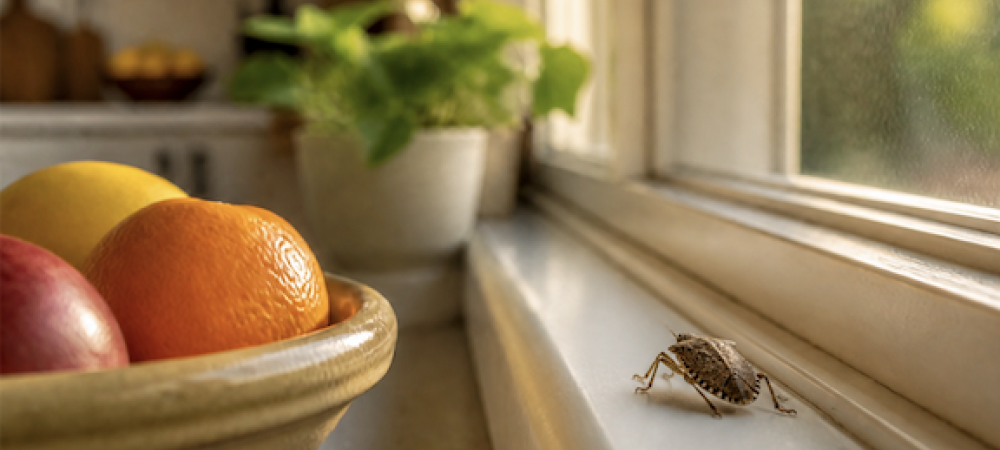
Stink bugs invading your home in the fall are searching for a warm, sheltered place to spend the winter, not food. That single fact explains almost everything homeowners find confusing about them: why they sit motionless in curtains for weeks, why they show up by the hundreds in older houses, and why they seem to vanish once spring arrives.
Why Stink Bugs Are Trying to Get Into Your Home
Brown marmorated stink bugs enter homes to find a safe overwintering site, not a food source. Once temperatures drop, their metabolism slows dramatically, and they survive the winter on energy reserves already stored in their bodies. This is why a stink bug sitting on your curtains barely moves. It isn't sick or dying, it's conserving energy until spring.
Why This Is Such a Common Pennsylvania Problem
Brown marmorated stink bugs aren't native to North America, and Pennsylvania has been dealing with them longer than most states. According to Penn State Extension, this pest typically completes one generation per year in Pennsylvania, which means populations build steadily through spring and summer before searching for shelter each fall. That single generation cycle is part of why the fall rush into homes feels so sudden and so widespread across Western PA.
This is one of the most common mistakes homeowners make, and Penn State Extension specifically warns against it. Insecticide dust applied inside wall voids can kill large numbers of stink bugs, but the dead bugs can then attract carpet beetles, which go on to damage wool, stored fabric, and other natural materials in your home. Spraying also won't stop more bugs from emerging afterward. Sealing entry points from the outside is a far more effective long-term fix than treating the inside.
How Stink Bugs Get Into Your House
Stink bugs are drawn to the sun-warmed exterior of your home the same way they're drawn to tree bark in the wild, and from there they look for any small gap to squeeze through. Older homes with more settling and more original construction gaps tend to have more of these entry points, which is part of why stink bug problems are often worse in established neighborhoods.
Common Entry Points
- Torn or damaged window screens
- Gaps around chimneys and roof flashing
- Cracks in siding or foundation
- Worn or missing weather stripping
- Openings around utility pipes and cable lines
What Stink Bugs Do Once They're Inside
Stink bugs that make it into your attic or wall voids typically stay dormant through the winter, which means you may never see them unless you're working in that space directly. If temperatures drop further, some will move into living areas through gaps around baseboards, window trim, or ceiling fixtures. Inside living spaces, they're usually sluggish and harmless unless they find exposed food, in which case they'll become active and noticeable.
How to Actually Keep Stink Bugs Out
Sealing your home's entry points is more effective long-term than any indoor treatment. Exterior treatments applied by a licensed pest professional in early fall, timed just before bugs start congregating, can add another layer of protection, though the effect fades within a week or two since these products break down in sunlight. A combined approach, sealing the home and timing exterior treatment correctly, gives you the best shot at a quieter fall, and it's the same exclusion-first thinking behind our full year-round pest control plans.
Exclusion Checklist
- Seal cracks around doors, windows, and siding with quality silicone or silicone-latex caulk
- Repair or replace damaged window and door screens
- Check and seal gaps around utility pipes, chimneys, and roof flashing
- Schedule an exterior treatment in early fall, before bugs begin congregating
Dealing with stink bugs at your place, or just not sure what's getting in? Call Witt Pest Management at 412-681-1900 and we'll help you figure out the right next step.