

Why Spiders Enter Our Home In The Fall
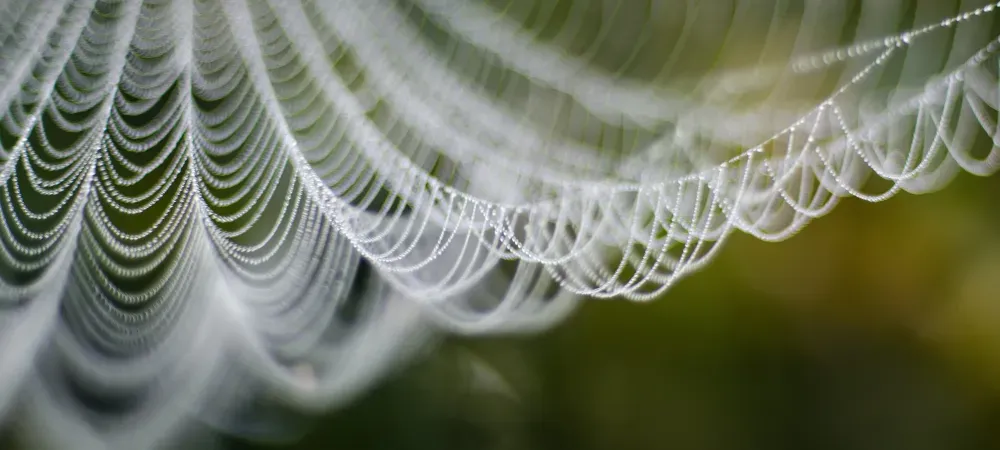
Spiders move indoors in the fall because temperatures drop and the insects they feed on start dying off outside. That combination pushes spiders to follow their food source, or simply seek shelter, straight into basements, garages, and window frames. The webs and sudden sightings that feel like a fall tradition are really just spiders reacting to the same seasonal shift that has all of us spending more time indoors.
Why Spiders Come Inside in the Fall
Spiders are drawn to homes with higher humidity and consistent insect activity, both of which become harder to find outdoors as the weather cools. Most of the spiders showing up in fall aren't seeking your warmth specifically, they're following prey or looking for a stable place to shelter as outdoor conditions become less favorable. This is also why sightings tend to spike quickly over a few weeks rather than building gradually all year.
How Spiders Get Into Your Home
Spiders take advantage of the same small gaps that let in other fall invaders. Common access points include:
- Gaps around doors and windows
- Cracks in the foundation or siding
- Openings around utility lines and vents
- Items brought in from outside, like firewood or boxes
Once inside, spiders tend to settle in upper corners, window frames, or beams where air currents carry prey their way, and in low-traffic areas like basements and attics where they're rarely disturbed.
Are the Spiders You're Seeing Actually Dangerous?
Almost certainly not. Pennsylvania has only one spider considered medically significant: the black widow. According to Penn State Extension, the southern black widow is found in the state, but bites are uncommon and rarely serious for a healthy adult. The vast majority of spiders you'll encounter indoors, including common house spiders and orb weavers, are harmless nuisance pests, not a health threat.
This is one of the most common spider fears, and it's almost always unfounded here. Penn State Extension confirms that brown recluse spiders are not established in Pennsylvania and are only rarely encountered, usually after hitching a ride in a box or item shipped from a state where they're native. If you're worried about a spider bite, the black widow, not the brown recluse, is the species actually worth knowing how to identify in Western PA.
How to Keep Spiders Out
A few consistent habits make your home meaningfully less attractive to spiders looking for a way in.
- Seal cracks and gaps around your foundation, doors, and windows
- Reduce outdoor lighting near entrances, since bright lights attract the insects spiders feed on
- Vacuum up webs, egg sacs, and individual spiders as soon as you spot them
- Inspect firewood, boxes, and other outdoor items before bringing them inside
- Address indoor humidity in basements and crawl spaces, since spiders are drawn to damp conditions
When to Call a Professional
DIY sealing and cleanup help, but exterior perimeter treatment is what actually stops spiders from getting inside in the first place rather than just cleaning up after they arrive. If you're seeing a steady increase in activity each fall despite your own prevention efforts, that's a sign the access points are more numerous than what a homeowner can reasonably seal alone, and it's worth having your home evaluated through a year-round pest control plan instead of tackling it fresh every season.
A spider or two in the corner of a room isn't cause for alarm, but a sudden increase every fall is worth addressing at the source rather than just knocking down webs as they appear.
Frequently Asked Questions
Why do I see more spiders in my house every fall specifically?
Fall triggers a seasonal shift where outdoor insect activity drops off and temperatures cool, so spiders move toward stable indoor conditions and any remaining insect prey, which is often found near your home's entry points.
Are the spiders in my Pittsburgh-area home dangerous?
Almost never. The only medically significant spider found in Pennsylvania is the black widow, and even those bites are rarely serious for healthy adults. Brown recluse spiders are not established in the state.
Do spiders actually come inside for warmth?
Warmth plays a role, but it's not the whole picture. Spiders are also following prey insects and seeking stable humidity, which is why basements and other damp, undisturbed areas are common indoor destinations.
Will sealing cracks around my home actually stop spiders?
Sealing helps reduce entry points, but it won't fully stop spiders on its own, since they can also arrive on items brought in from outside. Sealing paired with exterior treatment is more effective than either step alone.
Should I just vacuum up spiders and webs myself?
Yes, for individual spiders, webs, and egg sacs you find indoors, vacuuming is a safe and effective first step. It won't address the entry points letting new spiders in, though, which is where professional exterior treatment becomes worthwhile.
What time of year are spiders most active in Western PA?
Outdoor spider activity peaks in mid to late summer as spiderlings mature, then indoor sightings spike in fall as spiders move inside ahead of colder weather.
Seeing more spiders around your home this fall? Call Witt Pest Management at 412-681-1900 and we'll help you figure out the right next step.