
Why Pest Control Matters in Warehouses and Storage Facilities
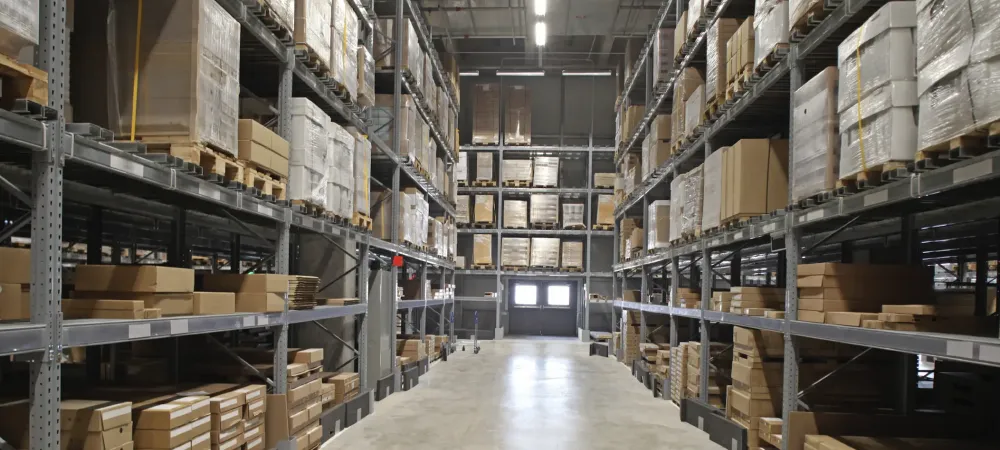
Pest control in warehouses and storage facilities is essential to protect products, infrastructure, and employee health. These environments, with their large spaces, constant product movement, and hidden areas, are particularly attractive to pests like rodents, spiders, and insects. Effective pest management requires ongoing prevention and quick action to avoid contamination, structural damage, and health risks.
What Are the Most Common Pests in Warehouses and Storage Facilities?
Common pests in warehouses and storage facilities include:
- Rodents (Rats and Mice): They gnaw on packaging, wires, and insulation, and can contaminate goods with droppings.
- Spiders: Species like brown recluse and wolf spiders thrive in undisturbed areas where insects are abundant.
- Other Insects: Cockroaches, ants, and stored-product pests (like beetles and moths) are attracted to food and organic materials.
- Birds: Occasionally, warehouses may face issues with nesting pigeons or starlings, which can carry diseases.
Why Are Rodents Drawn to Warehouses and Storage Facilities?
Rodents are attracted to warehouses and storage facilities for several reasons. They are drawn by the abundance of food sources, including stored products, packaging materials, and even small food scraps, particularly in food-related warehouses. The shelter and warmth offered by cardboard boxes, pallets, and hidden voids make these spaces ideal for nesting, especially during colder months. Additionally, water sources, such as leaky pipes and floor drains, provide moisture that is necessary for their survival. Furthermore, warehouses often have entry points like gaps around doors, vents, and conduits, which make it easy for rodents to gain access.
How Do Spiders Thrive in Warehouse and Storage Environments?
Spiders thrive in warehouse and storage environments due to their low-disturbance nature. Areas such as high shelves, narrow gaps, and rarely visited corners provide an undisturbed space for spiders to build webs and remain hidden for long periods. These environments also offer a steady supply of prey, as insects like flies and ants are attracted by food, moisture, and light, creating a sustainable food source for spiders. In addition, structural features like cracks, crevices, beams, and voids in walls, ceilings, and shelving systems provide secure locations for spiders to hide and attach their webs.
What Damage Can Pests Cause in Warehouse and Storage Settings?
Pests in these settings can cause significant damage that impacts both the physical structure and the stored inventory. Rodents, for instance, can chew through insulation, wiring, and even structural materials, which not only weakens the building but also increases the risk of fire hazards. In addition, pests like cockroaches and rodents can contaminate food and other goods with droppings, urine, and hair, leading to costly product disposal or recalls. Pests can also cause damage through:
- Physical damage to infrastructure: Rodents chewing through insulation, wiring, and structural materials can weaken the building and create fire hazards.
- Product loss and contamination: Droppings, urine, and hair from pests can contaminate food, textiles, and other sensitive goods, forcing disposal of affected inventory.
- Health risks: Pests can spread diseases like Salmonella and E. coli, jeopardizing worker health and potentially violating health regulations in industries like food and pharmaceuticals.
- Regulatory and compliance violations: Pests in regulated industries can lead to failed inspections and potential fines or shutdowns, particularly in food storage and healthcare settings.
How Can You Prevent Pest Infestations in Your Warehouse or Storage Facility?
To effectively prevent pest infestations in your warehouse or storage facility, it's crucial to address potential entry points and maintain a clean, organized environment. Regular inspections and monitoring can help identify issues early, allowing for swift action before pests become a significant problem. Here are key preventive measures:
- Exclusion: Seal gaps around doors, loading docks, vents, and conduits to limit pest entry, focusing on high-risk areas like dock levelers and pipe penetrations.
- Sanitation and housekeeping: Regularly clean floors, pallets, and shelves, remove food waste, and manage trash in sealed containers to reduce attractants.
- Monitoring and inspection: Implement routine checks of incoming goods, storage areas, and potential hotspots like docks, break rooms, and quiet storage rooms to catch early signs of infestation.
- Environmental management: Reduce clutter and remove excess moisture sources, such as leaky pipes and drains, to eliminate places where pests can thrive.
How Often Should Warehouses and Storage Facilities Have Pest Inspections?
The frequency of pest inspections in warehouses and storage facilities depends on several factors, including the type of business, the level of pest risk, and the facility's size. Generally, many warehouses benefit from monthly professional inspections to stay on top of any potential issues. High-risk environments, such as food storage or distribution centers, may require more frequent visits due to the higher likelihood of attracting pests. Seasonal adjustments are also important, as pest activity typically increases in cooler months when rodents seek indoor shelter, and in warmer months when insects become more active. Regular inspections help identify problems early, allowing for swift intervention and reducing the risk of larger infestations.
What Should You Do If You Discover a Pest Infestation in Your Warehouse or Storage Facility?
If you discover a pest infestation in your warehouse or storage facility, our exterminators at Witt Pest Management are ready to help! We’ll conduct a thorough inspection to determine the extent of the problem and develop a customized treatment plan to address it. Our team will work quickly and efficiently to eliminate the pests, and we’ll provide ongoing monitoring to ensure they don’t return. Contact us today to learn more about our commercial pest services.