

Spotted Lanternfly Control in Mt. Lebanon, PA
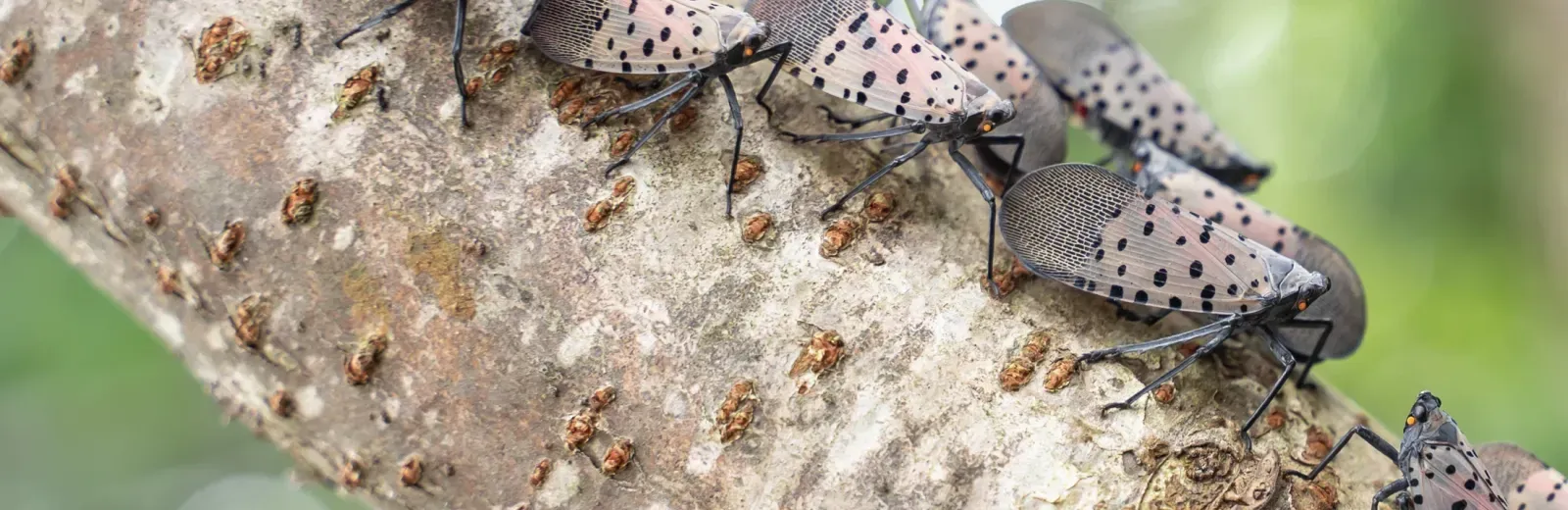
Spotted lanternflies are spreading fast across Mt. Lebanon, and the damage they leave behind is anything but minor. These invasive pests feed on the sap of mature trees and ornamental plants, weakening root systems and leaving behind a sticky residue that invites mold and draws in additional pests. Our spotted lanternfly control in Mt. Lebanon is built around targeted treatments that work quickly and hold up over time, so your property stays protected season after season.
- Comprehensive property inspection
- Targeted product application to trees and shrubs
- Knockdown treatment with residual protection
- Growth regulator technology
- Eco-responsible treatment methods
- Fast response and scheduling
- And More
Spotted lanternfly treatment in Mt. Lebanon from Witt means working with a team that has spent generations protecting the homes and properties of this region. Regular treatment keeps infestations from taking hold and gives your trees the best chance of staying healthy long-term.

Additional Services in Mt. Lebanon
Protecting the Trees and Property That Make Mt. Lebanon Worth Calling Home
Spotted lanternfly control is not a wait-and-see situation. These invasive pests feed aggressively on the sap of mature hardwoods, including maples and oaks, leaving trees weakened and susceptible to disease. The sticky honeydew they excrete encourages sooty mold and draws additional pests, compounding the damage to landscaping, patios, and building surfaces. Homes with established tree canopies and older wood-frame construction face real exposure, and targeted treatment is the most effective way to protect that investment.
Here is how Witt approaches spotted lanternfly treatment in Mt. Lebanon:
- A comprehensive property inspection identifies active infestation zones and the severity of pressure on trees, shrubs, and structural surfaces.
- Targeted, professional-grade products are applied to high-risk areas, including tree bark, shrubs, patios, and exterior building surfaces.
- A specialized formula combining a knockdown agent, insect growth regulator, and controlled-release technology delivers rapid results alongside residual protection.
- Every treatment is calibrated to reduce lanternfly populations while minimizing impact on beneficial insects and the surrounding ecosystem.
Why Mt. Lebanon Homeowners Trust Witt for Spotted Lanternfly Control
Witt is Pittsburgh's most established pest management company, and that reputation is built on consistent, expert-level service. Every technician is licensed by the Pennsylvania Department of Agriculture, undergoes ongoing training, and is held to QualityPro Certified standards. Treatments are conducted with care for your property, your landscape, and the people and pets who use your outdoor spaces. When spotted lanternflies threaten the trees and grounds you've spent years cultivating, this is the team that responds with the precision and professionalism the situation demands.
Certified Spotted Lanternfly Control Technicians Who Know What They're Doing
Every technician at Witt Pest Management is licensed by the Pennsylvania Department of Agriculture and holds certifications that go well beyond the state minimum. When it comes to spotted lanternfly control, that level of training matters because these pests behave differently depending on the season, the property, and the tree species involved.
Our team is equipped to assess your specific situation and build a treatment plan around it, not a generic one-size-fits-all approach. And because your property likely includes mature trees and established landscaping worth protecting, we also coordinate that treatment within a broader whole-home pest protection strategy, so nothing gets overlooked.

The Spotted Lanternfly Life Cycle in Mt. Lebanon
One generation per year, four stages, each with its own window for control

Allegheny County has been under the Pennsylvania Department of Agriculture's spotted lanternfly quarantine since 2020. Knowing where this pest is in its life cycle helps determine the most effective time to act.
Newly hatched nymphs are small, black with white spots, and easy to mistake for ticks or spiders. They climb host plants to feed, going through four growth stages before reaching adulthood.
Adults reach their recognizable red-and-black winged form and become the most visible, active stage, often gathering in large numbers on tree trunks and outdoor surfaces.
Adults remain active into fall, feeding heavily and laying mud-covered egg masses on trees, decks, and outdoor surfaces before the first hard freeze ends the season.
Egg masses laid the previous fall survive the winter attached to hard surfaces, ready to hatch again once temperatures rise in spring.
Frequently Asked Questions
Are Spotted Lanternflies actually harmful?
Yes. Spotted Lanternflies feed on tree and plant sap, leaving trees weak and vulnerable to disease, and they excrete a sticky substance that attracts mold and other pests.
What does controlled-release technology do?
Controlled-release technology is part of our treatment formula that provides ongoing protection after the initial application.
What is a knockdown agent used for in Spotted Lanternfly treatment?
A knockdown agent is part of our treatment formula designed to deliver fast, immediate results against existing Spotted Lanternflies.
What products do you use to treat Spotted Lanternflies?
We use a specialized formula that combines a knockdown agent, a growth regulator, and controlled-release technology for fast results and ongoing protection.
What trees are most at risk from Spotted Lanternflies in Pittsburgh?
Maples, oaks, and other hardwoods common in Pittsburgh are especially vulnerable to Spotted Lanternfly damage.
Where do you apply Spotted Lanternfly treatment?
We apply professional-grade treatments to high-risk areas like trees, shrubs, patios, and building surfaces.